Affiliate Marketing Promotion Websites That Convert
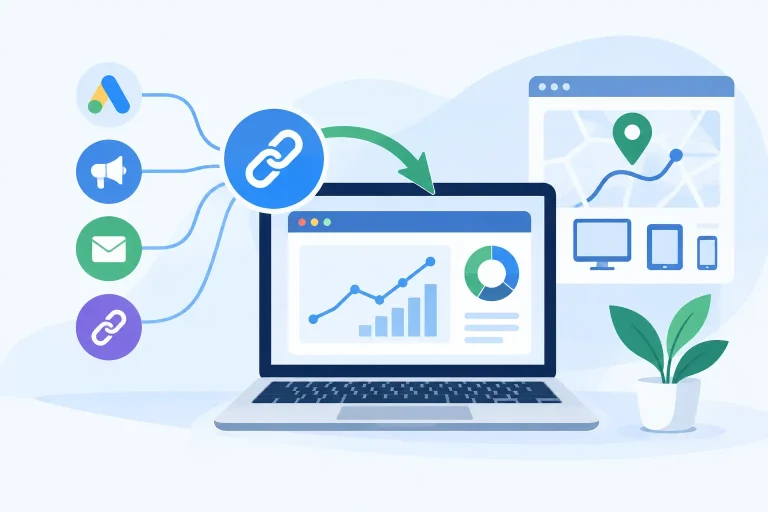
A click from a solo ad, traffic exchange, paid campaign, or referral post has a short shelf life. Visitors decide quickly whether the page matches the message that brought them there. Affiliate marketing promotion websites give that click a controlled destination: a focused page built to collect an opt-in, pre-frame an offer, send a tracked referral, or move a prospect into the next step of a funnel.
The practical advantage is not having a website for its own sake. It is having a dedicated campaign asset that can be published, measured, changed, and retired without disturbing everything else you run. A general business site often asks visitors to browse. A promotion page asks them to take one defined action.
What Affiliate Marketing Promotion Websites Need to Do
A promotion website does not need ten pages, a corporate story, or a navigation menu. It needs to make the traffic source, the promise, and the action line up. If the ad says a visitor can access a free training, the landing page should immediately explain that training and present the form or button. Sending that visitor to a generic homepage creates friction before the offer has a chance.
For affiliate marketers, the destination page also creates a buffer between traffic and the merchant page. That matters when an affiliate link leads to a long sales letter, a checkout page, or an offer that does not explain the first step well. Your page can set expectations, explain who the offer is for, and direct only interested visitors forward.
This is especially useful with low-intent or incentive-driven traffic. Not every visitor is ready to buy. Asking for an email in exchange for a useful lead magnet may be the more realistic first conversion. You can then follow up, explain the offer, and measure which subscribers later become customers.
Build the Page Around One Conversion Event
The fastest way to weaken a campaign is to put competing actions on the same page. A visitor should not have to choose between joining a list, viewing three unrelated offers, watching a video, following a social account, and clicking a banner. Every additional path dilutes the primary action.
Start by naming the event that makes the page successful. It may be an email submission, a click to a referral URL, a webinar registration, an app install, or a sale. Once the event is clear, the page structure becomes easier to control.
A basic promotional page usually needs a headline, a short explanation of the benefit, supporting proof or context, and a clear call to action. That is enough for many campaigns. The amount of copy depends on the offer and traffic temperature. Cold traffic may need more explanation. Visitors arriving from a trusted recommendation may need less.
The headline should continue the conversation started by the traffic source. Avoid broad claims such as “Make Money Online” when the actual offer is a specific tool, training, or membership. Specificity filters weak clicks and helps qualified visitors recognize that they are in the right place.
Your call to action should state what happens next. “Get the checklist,” “See the training,” or “Start the free account” is more useful than a vague “Submit.” If clicking takes someone to an affiliate offer, do not disguise the destination. Clear framing produces better long-term list quality and fewer wasted clicks.
Keep the page technically light
Campaign pages benefit from restraint. Large background videos, multiple third-party scripts, pop-ups that compete with the form, and excessive tracking tags can slow delivery or make mobile use frustrating. Most campaign traffic will encounter the page on a phone, so the action must be visible without pinching, hunting, or waiting.
Use a dedicated hosted URL for each meaningful campaign when possible. It makes troubleshooting cleaner. If a traffic source underperforms, you can review that page, its message, and its conversion rate without guessing which variable caused the problem. Landing-page hosting infrastructure is valuable because it lets you deploy these focused assets without maintaining a full standalone site for every promotion.
Match the Funnel to the Traffic You Bought or Earned
Not all clicks deserve the same page. The source determines how much trust and context visitors bring with them.
Search visitors often arrive with a problem they are actively trying to solve. They respond best when the page answers that problem directly. Social traffic may need a stronger hook and faster visual confirmation because it was interrupted while browsing. Email clicks from your own list can go deeper because readers already know who sent them.
Traffic exchanges and certain incentive sources require even more discipline. The visitor may be moving quickly through many pages with limited attention. A complicated sales page is unlikely to do its best work in that environment. A simple lead capture page, a short benefit statement, and a fast-loading call to action are usually the safer test.
Paid traffic adds another constraint: economics. A page that converts at 20 percent is not automatically profitable if the resulting leads are low quality or never move further into the funnel. Track the action that matters after the initial conversion. For a lead campaign, that may include confirmation rate, email engagement, referral clicks, trial starts, and sales.
Use Tracking Without Losing the Plot
Tracking should answer operational questions, not produce a dashboard full of numbers nobody uses. At minimum, know where visitors came from, which page they saw, and whether they completed the intended action. Add a source identifier to each campaign path so you can compare traffic channels without mixing results.
For example, two pages can promote the same affiliate offer while using different headlines or lead magnets. If one page earns more opt-ins but the other produces more downstream sales, the better choice depends on your objective. If cash flow is the priority, favor the sales-producing page. If you are building a responsive list with a proven follow-up sequence, the higher-quality lead page may be worth more.
Do not change five elements at once and call the result a test. Change one meaningful variable: the headline, call to action, page order, lead magnet, or traffic source. Give it enough visits to reveal a pattern. Very small samples can make random variation look like a breakthrough.
Watch for misleading conversion signals
A high opt-in rate can hide a weak campaign. The lead may have used an invalid address, never opened a message, or joined only for an incentive unrelated to the eventual offer. Likewise, a high click-through rate to an affiliate page does not prove the pre-sell page is effective if the merchant page receives clicks but produces no sales.
Review the complete path. Compare the number of visitors, opt-ins, confirmed subscribers, follow-up opens, outbound clicks, and revenue. The exact metrics vary by campaign, but the principle stays the same: optimize for the result you are paid for or the audience asset you are deliberately building.
Protect Control of Your Campaign Assets
Affiliate offers change. Merchants pause programs, alter landing pages, change pricing, or remove products. Traffic sources can also reject a URL or change their policies. A promotional page under your control gives you a practical response point. You can swap the destination, update the copy, redirect traffic to a backup offer, or replace a lead magnet without rewriting every ad or post that points to the campaign URL.
This control also supports cleaner testing. Rather than placing a raw affiliate link everywhere, you can direct traffic to a stable campaign page and make the next-step destination adjustable behind it. Keep records of which page is associated with which traffic source, offer, and tracking ID. That small amount of organization prevents expensive confusion when multiple campaigns are live.
Control does not remove compliance obligations. Follow the rules of the affiliate program, use required disclosures where appropriate, honor privacy obligations for lead capture, and do not make earnings or performance claims you cannot support. Short-term conversion tricks often create refunds, complaints, account problems, and a list that will not respond later.
A Practical Deployment Standard
Before sending traffic, review the page as a visitor would. Does the headline match the ad? Is the main action obvious on mobile? Does the form or button work? Does the next page load correctly? Can you identify the traffic source in your reporting? If any answer is unclear, fix that before paying for clicks.
Then start with a controlled traffic volume. A small test is not a final verdict, but it can expose broken routing, mismatched messaging, and poor page behavior quickly. Once the path works, increase volume while continuing to watch lead quality and downstream results.
The useful campaign page is not the one with the most design elements. It is the one that gives a real visitor a clear reason to act and gives you a reliable way to see what happened after they did.